
Early Education / 01
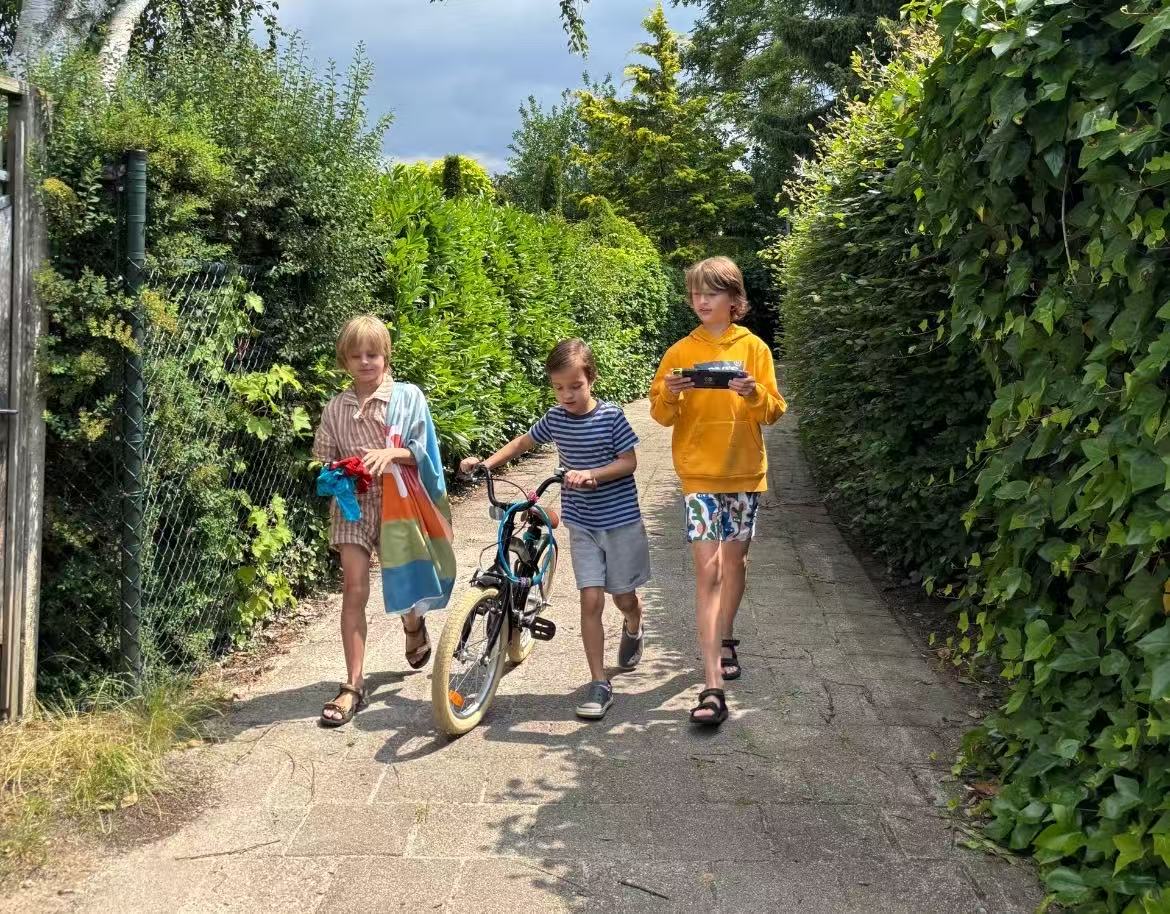
Free Play vs. Structured Activities: How Much Free Time Do Preschoolers Need?
Free play is essential for preschoolers’ creativity, problem-solving, and independent exploration, so parents should build flexible, child-led free time into daily routines, stay nearby without rushing to correct, and watch for signs that may require professional evaluation.
Early Education / 01
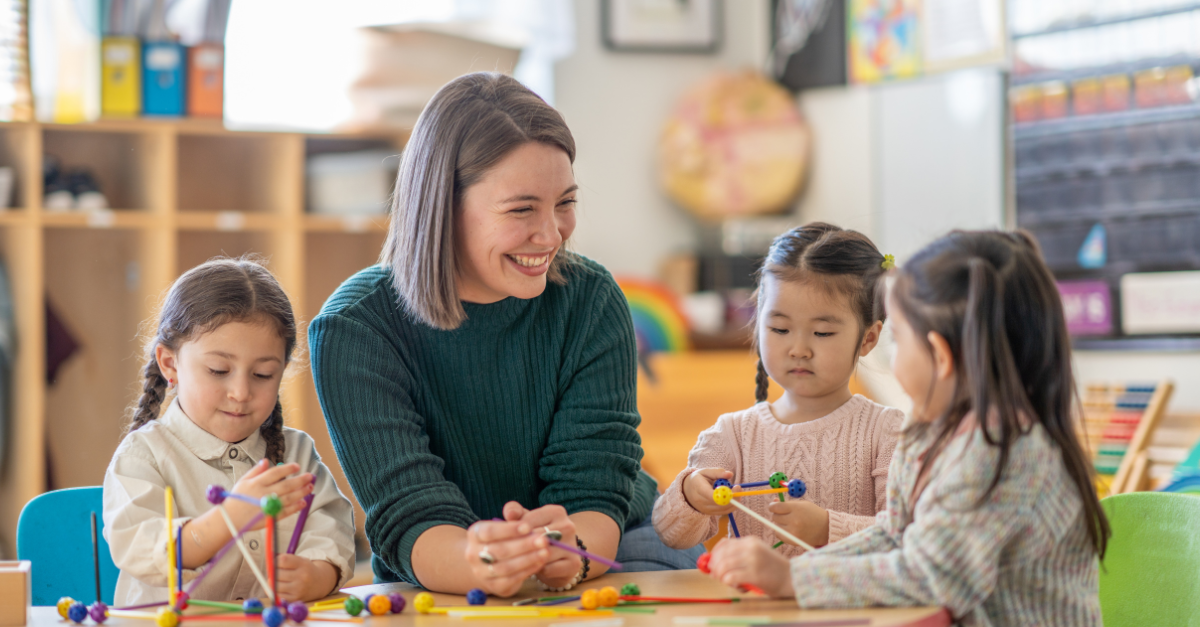
How Early Education Helps Children Build Strong Learning Habits
Ages three to six are an important period for children to develop good habits. Healthy habits are essential to their physical and emotional well-being, their ability to gain knowledge, the development

Early Education / 01
How Storytelling Supports Early Childhood Learning
Language development includes three important areas: clear and accurate pronunciation, a growing vocabulary, and the ability to express ideas verbally. Storytelling plays an important role in helping
Early Education / 01
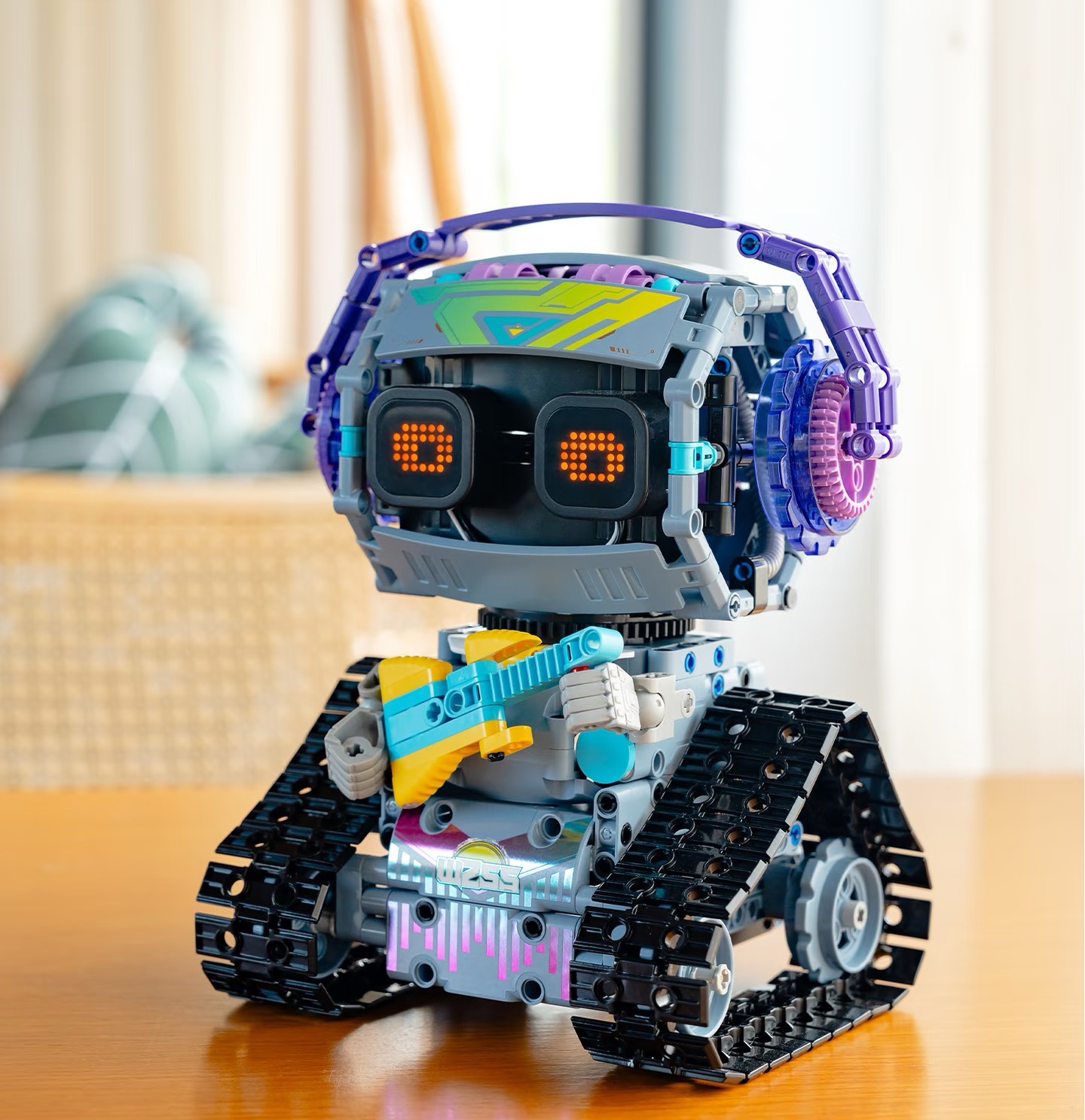
5 STEM Toys Recommended by Preschool Teachers – Must-Haves for Every Home
Five STEM toys that have earned the approval of preschool teachers – when choosing among them, pay attention to age fit, open-ended play, and safety certification, and remember that their real value lies in the shared joyful memories they help families create together.
Early Education / 01
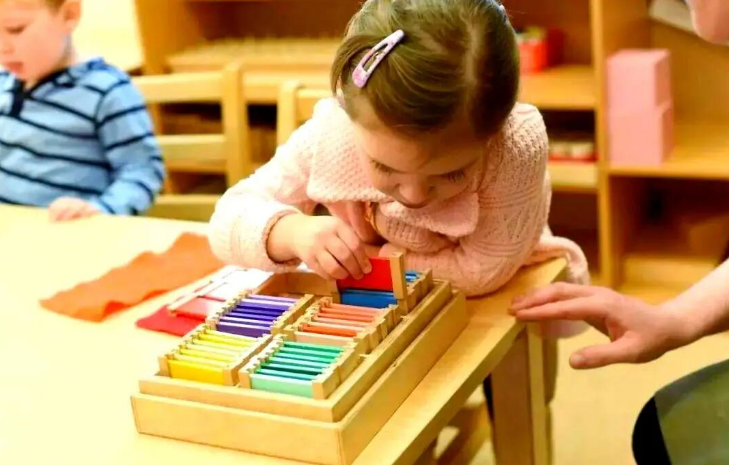
What is Montessori Education? A Complete Practical Guide to Implementing Montessori at Home
The core of Montessori home education is to enable children to develop independently in freedom and order through a prepared environment and daily life practices, with parents acting as observers and guides rather than interveners.
Early Education / 01
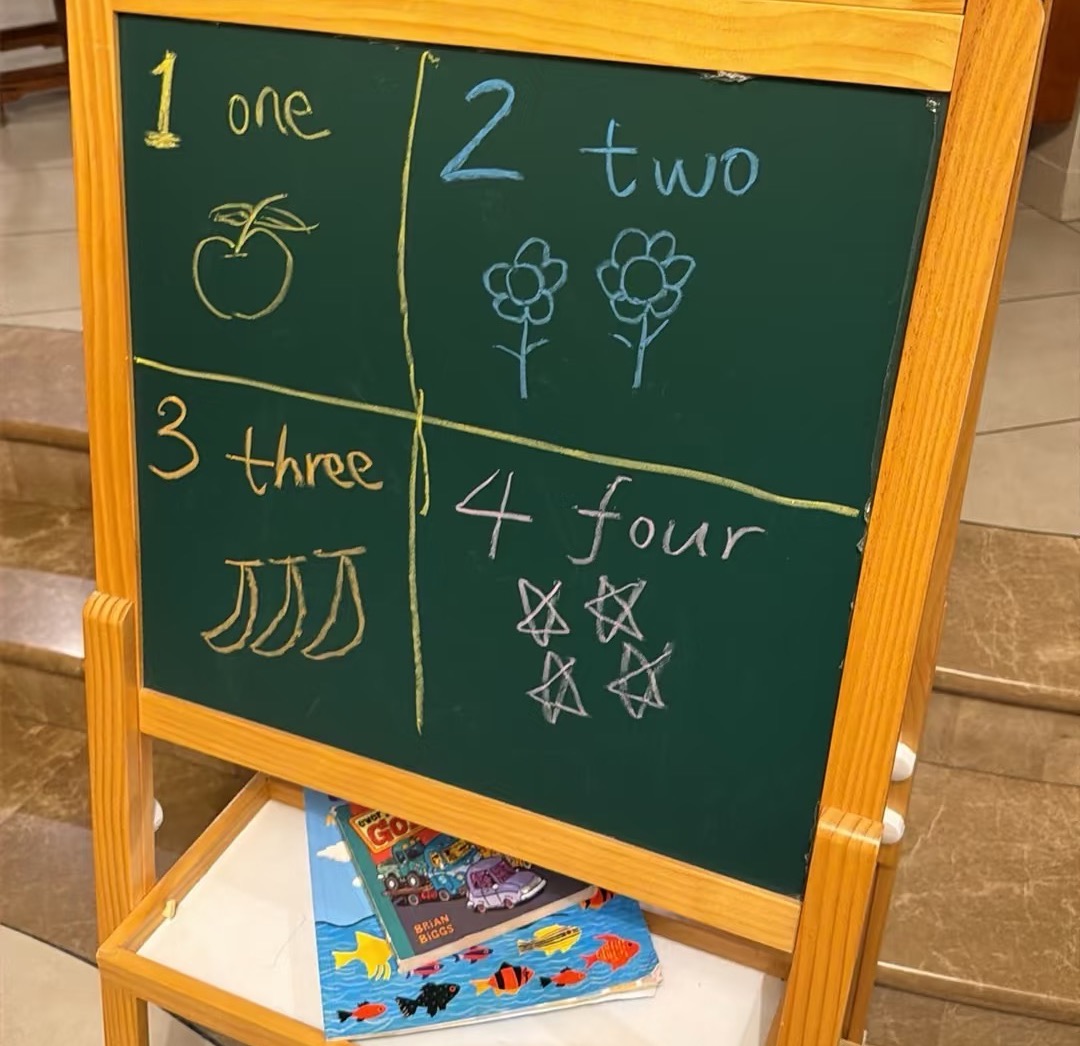
The Golden Window for Number Sense (Ages 4–8): Real-Life Math Works 10x Better Than Drill Worksheets
During the critical window for building number sense between ages 4 and 8, weaving math into everyday routines like grocery shopping, cooking, and going places develops real understanding and practical skills far more effectively than drilling worksheets, while keeping kids genuinely interested in learning.
Early Education / 01
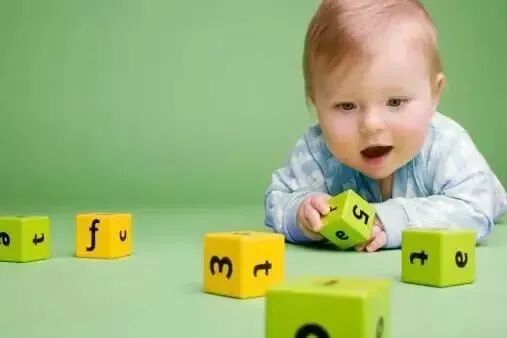
Fine hand training makes the brain smarter
Age-appropriate play and everyday tasks help children aged three to six develop fine motor skills, hand–eye coordination, and independence through gradual practice and encouragement.