

Child Development / 01
The Value and Significance of Outdoor Play
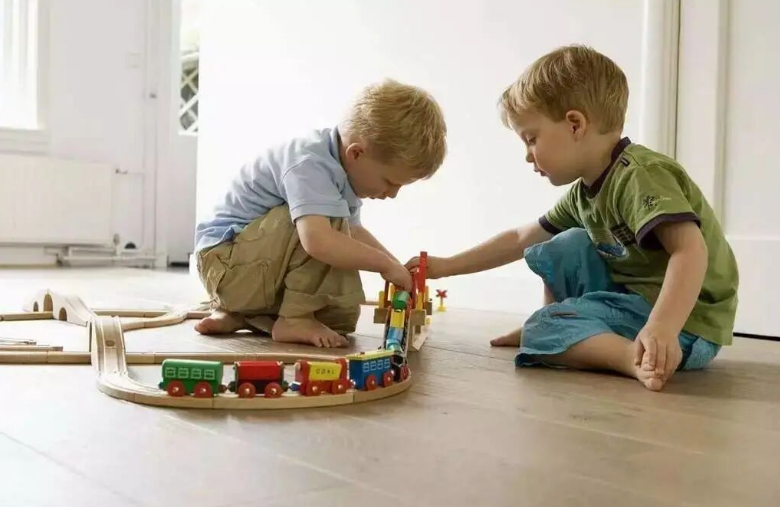
Outdoor play greatly benefits children's physical, cognitive, social, and emotional development, so schools and families should take it seriously and create plenty of opportunities for kids to grow happily through play.
Child Development / 01
Child Development Milestones Series: Three-Year-Old Development Milestones
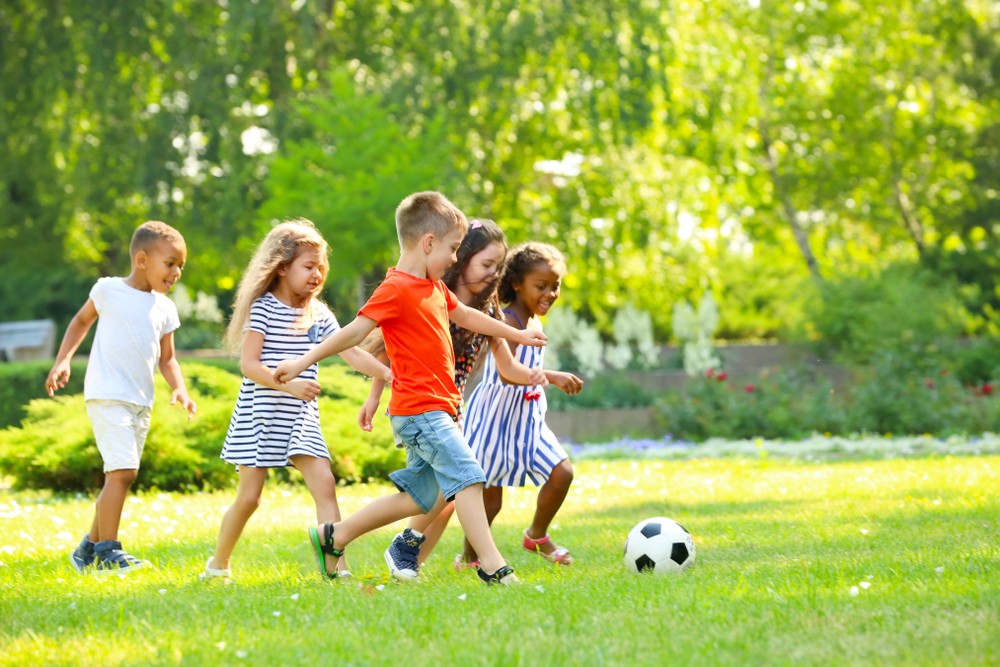
This article systematically outlines the developmental milestones for three-year-olds in physical, emotional, social, cognitive, and language areas, offers practical parenting tips, and emphasizes that each child grows at their own pace, advising parents to consult a specialist if they have any concerns.
Child Development / 01
Understanding Fine and Gross Motor Skill Development in Children
Gross and fine motor skills develop gradually as children learn to control their bodies, hands, and fingers. This guide explains common patterns of motor development from infancy through the preschool years and how parents can support movement, coordination, independence, and safe practice at home.
Child Development / 01
Bilingual Education: Benefits and Challenges
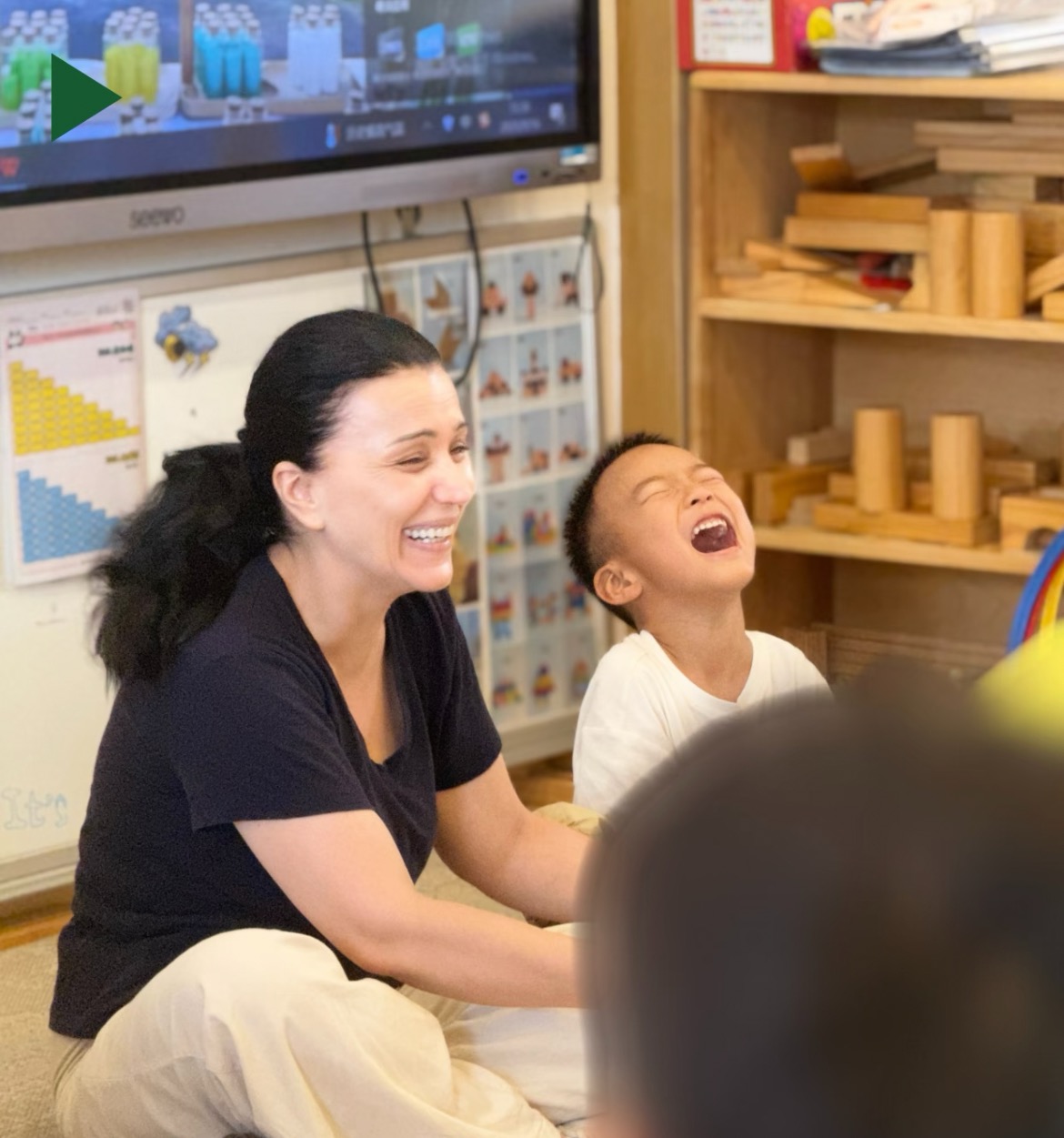
Bilingual or multilingual education means that children are able to master two or more languages at the same time. There are many benefits to providing a child with a bilingual education—for instance, it helps build strong family and cultural ties. At the same time, though, the process of bilingual education is not without its difficulties and challenges. Raising a child in a bilingual environment also requires long-term, consistent hard work and dedication.

Child Development / 01
From Playing Alone to Playing Together: How Children Develop Social Skills
Children’s social skills develop gradually, from independent play to increasingly complex interactions with others. Understanding how social play changes during early childhood can help parents support communication, cooperation, empathy, and independence without forcing children to develop faster than their natural pace.
Child Development / 01
Early Identification of Learning Disabilities: What Parents Should Know
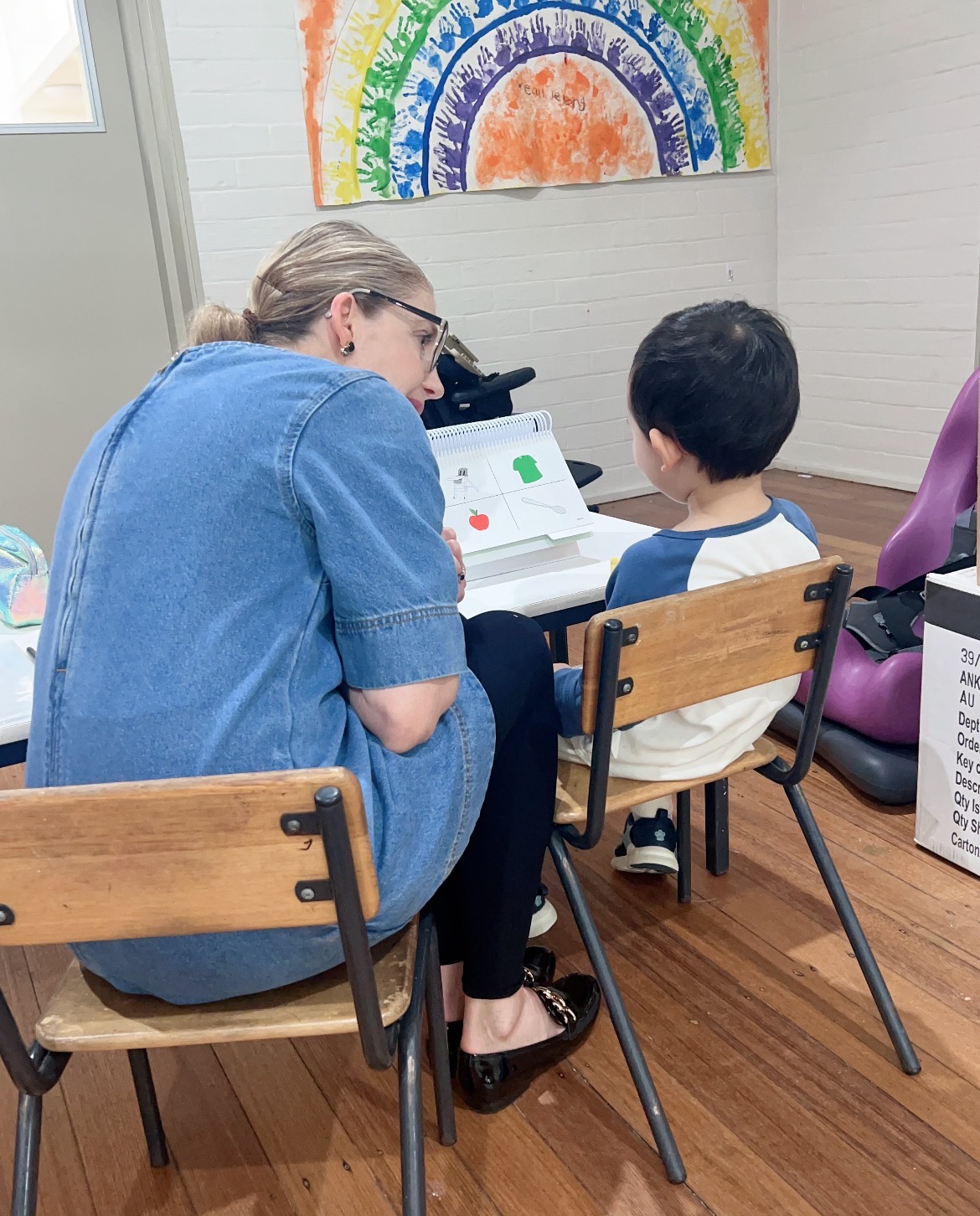
Learning disabilities aren't a sign that a child is unintelligent or lazy—they come from subtle differences in how the brain processes information. Parents should keep an eye out for early signs, get a proper evaluation when needed, and use evidence-based approaches to help their child find the way of learning that works best for them.
Child Development / 01
Does a left-handed child need correction?
Respecting a child’s natural left-handedness, avoiding forced switching, and providing suitable tools and an accepting environment can help them learn and grow with confidence.

Child Development / 01
Does a child's delayed speech indicate autism? Don't be so anxious anymore! Distinguish between two situations in one article
Late talking alone does not mean a child is autistic, and timely professional assessment alongside supportive everyday interaction can help clarify and address their developmental needs.